ภาวะ กลืนลำบาก ในผู้ป่วยโรคหลอดเลือดสมอง
ภาวะ กลืนลำบาก : โรคหลอดเลือดสมองเป็นโรคที่เกี่ยวกับความผิดปกติของสมอง อาการที่เห็นได้ชัดเจนคือ การอ่อนแรงของกล้ามเนื้อ ซึ่งส่งผลให้ความสามารถในการช่วยเหลือตนเองลดน้อยลง รวมถึงสามารถเกิดภาวะแทรกซ้อนต่างๆได้อีกด้วย ไม่ว่าจะเป็นกล้ามเนื้อหดสั้น กล้ามเนื้อฝ่อลีบ ข้อต่อติด รวมไปถึงอีกหนึ่งภาวะที่พบได้บ่อยและมีความสำคัญคือ ภาวะ กลืนลำบาก ทำไมถึงสำคัญเรามาดูกันเลยครับ ภาวะ กลืนลำบาก เป็นภาวะแทรกซ้อนที่สามารถเกิดขึ้นได้บ่อยในผู้ป่วยโรคหลอดเลือดสมอง เกิดจากการที่กล้ามเนื้อต่างๆอ่อนแรงลง ความบกพร่องในการรับรู้ความรู้สึก รวมทั้งการสื่อสาร ส่งผลให้มีปัญหาการกลืนตามมา ทำให้ความสามารถในการรับประทานอาหารลดน้อยลงส่งผลเสียต่อกระบวนการฟื้นฟู อีกทั้งยังมีผลกระทบต่อคุณภาพชีวิตของผู้ป่วย เรามาดูกันดีกว่าว่าภาวะกลืนลำบากมีลักษณะเป็นอย่างไร และจะรู้ได้อย่างไรว่าเรามีภาวะกลืนลำบาก มาดูกันเลยครับ
อาการแสดงของภาวะ กลืนลำบาก คือ การสำลัก การไอ เสียงแหบ เสียงเครือ ระหว่างการกลืนน้ำและอาหาร รู้สึกเหมือนมีอาหารติดที่ลำคอ มีอาหารเหลือค้างในช่องปากหลังกลืน เป็นต้น ซึ่งจะส่งผลให้เกิดการเหนื่อย หายใจเร็วระหว่างการรับประทานอาหาร

1.การปรับอาหาร (Dietary modification)
ควรเลือกชนิดอาหารที่มีความเหมาะสม แบ่งเป็น 4 ระดับได้แก่
ระดับ1 อาหารปั่นเข้มข้น เนื้อเดียวกัน ระดับ2 อาหารปั่นเข้มข้นกลาง ระดับ3 อาหารอ่อน ระดับ4 อาหารปกติ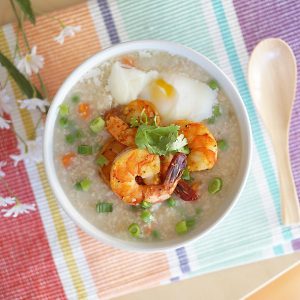
Dysphagia in stroke patients
o Stroke is a disease related to abnormalities of the brain. The obvious symptoms are muscle weakness This results in a diminished ability to help themselves. Including the possibility of various complications as well whether the muscles are shortened Muscle atrophy, joints, and another condition that is common and important is dysphagia Why is it important, let’s see.� Difficulty swallowing
It is a complication that can occur frequently in stroke patients. Caused by the weakening of various muscles impairment of sensation including communication resulting in swallowing problems Resulting in a decrease in the ability to eat, negatively affecting the recovery process It also affects the quality of life of patients. Let’s take a closer look at what dysphagia looks like. And how do you know if you have dysphagia? Let’s see.� � The symptoms
of dysphagia are choking, coughing, hoarseness, and hoarseness during swallowing of food and water. feeling like food is stuck in the throat There is residual food in the mouth after swallowing, for example, which will result in tiredness. rapid breathing during eating� Difficulty swallowing
may result in Pneumonia is an infection caused by aspiration of food or water. and may result in inadequate nutritional intake In some patients, tube feeding may be considered to prevent this complication. that may be a major cause of death to reduce the risk of choking Once we know what dysphagia is and what kind of consequences Next, let’s take a closer look at how dysphagia can be stimulated and treated. 1.Dietary modification should choose food types that are appropriate, divided into 4 levels, namely Level 1 concentrated blended food homogeneous Level 2 medium-concentrated blended food level 3 soft food level 4 normal food 2. Exercise of the muscles used in swallowing (Oromotor exercise) 3. The use of assisted swallowing techniques (Compensatory techniques) will be the arrangement. To allow food to enter the esophagus to reduce aspiration. Techniques that are frequently used are: – Turning the head to the weak side is used in stroke patients to close the weak side of the gastrointestinal tract when swallowing food to the stronger side of the pharynx. – Tilt of the head to the favorable side is also used in stroke patients, in which the head tilts the pharynx. When swallowing, food goes down to the stronger side of the pharynx. – Head tilt while swallowing is used when the oral and pharyngeal swallowing processes are not related. When the food is passed from the oral distance, the airway is not closed, the head down reduces the speed of swallowing. It slows down the passage from the oral and pharyngeal distances. will be in time for the airway to close 4. Sensory facilitation 5. Medication 6. Adaptive equipment 7. Oral health care (Oral hygiene) _ Suggestions to be able to eat safely is After eating, sit for at least 30 minutes. Eat slowly and deliberately. Do not eat too many bites, eat 1 bite at a time, reduce distractions while eating. Food should be placed on the strong side of the tongue, etc.� cerebrovascular patients
There is a risk of causing dysphagia. which should receive appropriate and timely treatment Because dysphagia may cause complications such as choking, dehydration, malnutrition, resulting in decreased self-help ability. In severe cases, pneumonia may occur as a result of aspiration. which is at risk of death However, it must be treated and rehabilitated. from specialists, doctors, physiotherapy and occupational therapy To allow patients and relatives, including caregivers. Know and understand dysphagia. and can apply various techniques to increase the quality of life and safety of patients- ReBRAIN at Home กายภาพบำบัดโรคหลอดเลือดสมอง รักษาที่บ้าน
- ReBRAIN Clinic คลินิกฟื้นฟูโรคหลอดเลือดสมองครบวงจร (วิภาวดี 60)
- Golden Time ศูนย์ฟื้นฟูโรคหลอดเลือดสมองครบวงจร (พักค้าง 24 ชั่วโมง)
เลือกบริการที่เหมาะกับอาการผู้ป่วยเพื่อฟื้นตัวได้เร็วที่สุด — ReBRAIN พร้อมดูแลครบทุกระดับตั้งแต่ทำกายภาพที่บ้านจนถึงฟื้นฟูแบบพักค้าง 24 ชั่วโมง
ต้องการปรึกษาแผนฟื้นฟูหรือประเมินค่าใช้จ่ายสำหรับผู้ป่วยสโตรก สามารถทักแชทสอบถามทีม ReBRAIN ได้ทันที!