ภาวะเสี่ยง หกล้ม ในผู้สูงอายุและการประเมินภาวะเสี่ยงล้มเบื้องต้น
ในผู้สูงอายุมีหลายภาวะที่อาจก่อให้เกิดอันตรายกับชีวิตได้ แต่ภาวะหนึ่งที่ควรคำนึงถึงเป็นอันดับต้นๆคือการ หกล้ม ในผู้สูงอายุ การหกล้ม เป็นสาเหตุหนึ่งที่สำคัญในผู้สูงอายุ สามารถนำไปสู่การบาดเจ็บที่รุนแรง เช่น กระดูกหัก โรคหลอดเลือดสมอง ภาวะพิการ หรืออาจถึงแก่ชีวิตได้ อุบัติการณ์ของการ หกล้ม ในผู้สูงอายุ สูงเป็นอันดับสองรองจากอุบัติเหตุจราจรบนท้องถนน ปัจจุบันปัญหาการ หกล้ม ในผู้สูงอายุยังคงมีแนวโน้มสูงขึ้นอย่างต่อเนื่องตามจำนวนของผู้สูงอายุที่เพิ่มขึ้น(CDC, 2019) การ หกล้ม ในผู้สูงอายุมักมีความเกี่ยวข้องกับสรีระที่เปลี่ยนแปลงไปของร่างกายตามอายุที่มากขึ้น ส่งผลให้สูญเสียความสามารถในการเคลื่อนไหว รวมทั้งความสมดุลย์ในการทรงท่าทั้งอยู่กับที่และเคลื่อนไหวเมื่อทำกิจวัตรประจำวันหกล้ม : ผลกระทบทางด้านสุขภาพ
ผลหลังจากผู้สูงอายุ หกล้ม แล้วพบว่า บุคคล ประมาณ 5-10% จะได้รับบาดเจ็บที่รุนแรงเช่น ภาวะกระดูกหัก การบาดเจ็บที่สมองและผิวหนังที่รุนแรง ผลในระยะยาว อาจเกิดภาวะพิการหรือถึงแก่ชีวิตได้หกล้ม : ผลกระทบทางด้านจิตใจ
ในผู้สูงอายุที่เคย หกล้ม มาก่อนจะเกิดความกังวล ภาวะซึมเศร้า ตลอดจนสูญเสียความมั่นใจในการเดินผู้ป่วยประมาณ 30-73% จะมีอาการกลัวการ หกล้ม อีกจนทำให้สูญเสียความสามารถในการทำกิจกรรมและช่วยเหลือตัวเองหกล้ม : ผลกระทบทางด้านเศรษฐกิจและสังคม
ภาวะ หกล้ม หรือการบาดเจ็บต่างๆที่เกิดจากการ หกล้ม ทำให้เกิดความสูญเสียทางเศรษฐกิจทั้งต่อครอบครัวของผู้สูงอายุเองและต่อสังคมส่วนรวม ได้แก่ ค่ารักษาพยาบาลขณะอยู่ในโรงพยาบาล การสูญเสียเวลาทำงานของญาติ การดูแลในระยะยาวเมื่อเกิดความพิการ เป็นต้นปัจจัยเสี่ยงต่างๆต่อภาวะ หกล้ม ในผู้สูงอายุมีการศึกษาก่อนหน้าอย่างกว้างขวาง ได้แก่
- ประวัติเคย หกล้ม
- การทรงตัวหรือการทรงท่าบกพร่อง
- ท่าเดินที่ผิดปกติ
- ความผิดปกติของการมองเห็น
- ภาวะกลัวล้มในคนที่เคย หกล้ม มาก่อน
- สภาพแวดล้อมที่เป็นอุปสรรคต่อการเดิน
- การควบคุมการขับถ่ายที่ผิดปกติ
- การรับรู้บกพร่อง (Cognitive impairment )
- ผลข้างเคียงจากการใช้ยา
เครื่องมือและรูปแบบการประเมิน ตรวจ คัดกรองภาวะ หกล้ม ในผู้สูงอายุ
ในปัจจุบันสถานพยาบาลหลายแห่งมีการตรวจประเมินภาวะเสี่ยงหกล้มในผู้สูงอายุมากขึ้น มีทั้งรูปแบบการใช้เครื่องมือแบบสอบถามหรือการให้ผู้สูงอายุทำกิจกรรมเพื่อทดสอบ โดยมีตัวอย่างดังต่อไปนี้- Berg Balance test
-
Sitting to Standing : กรุณาลุกขึ้นยืน พยายามไม่ใช้มือยัน
- Standing unsupported with feet together : กรุณายืนเท้าชิดกันสองข้างโดยไม่เกาะยึดสิ่งใด
- เสียการทรงตัว เมื่อพยายามจะเอนไปหน้า/ต้องการคนช่วย
- Turning to look behind over left & right shoulders while standing : หมุนตัวไปทางซ้ายให้มากที่สุด โดยพยายามมองสิ่งที่อยู่ด้านหลัง ทําซ้ำเช่นเดียวกันกับข้างขวา
- Turn 360 degrees : กรุณาหมุนตัวกลับ 360 องศา โดยหมุนไปทางซ้ายให้ครบ หยุดพัก และหมุนกลับไปทางขวา
- Placing alternate foot on step or stool while standing unsupported : กรุณาวางเท้าบนตั่ง (ม้าเตี้ย) ทีละข้างสลับกัน ทําซ้ำข้างละ 4 ครั้ง
- สามารถยืนได้บนตั่งอย่างปลอดภัยมากกว่า 2 ก้าว โดยต้องการความช่วยเหลือเล็กน้อย
- Standing unsupported one foot in front : วางเท้าข้างหนึ่งให้อยู่ด้านหน้าเท้าอีกข้างหนึ่ง
- วางเท้าต่อส้นได้ (Tandem) และคงอยู่ได้นาน 30 วินาที
- ก้าวเท้าได้สั้นๆ และคงอยู่ได้นาน 30 วินาที
- ต้องการความช่วยเหลือขณะก้าว แต่คงค้างได้นาน 15 วินาที
- เสียการทรงตัวขณะก้าว หรือยืน
- Standing on one leg : กรุณายืนขาข้างเดียวให้นานที่สุดเท่าที่ทําได้ โดยไม่มีการจับยึดวัตถุใดๆ
- ไม่สามารถทําได้ ต้องการคนช่วยป้องกันล้ม
- Timed up and go test
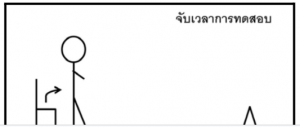 แบบทดสอบที่ยกตัวอย่างมาในข้างต้นสามารถนำมาทดสอบคนสูงงอายุที่อยู่ใกล้ตัวเราได้ เนื่องจากสังคมในปัจจุบันเป็นสังคมที่มีผู้สูงอายุเพิ่มมากขึ้น ดังนั้นภาวะต่างๆที่สามารถก่อให้เกิดอันตรายต่อผู้สูงอายุเราทุกคนไม่ควรมองข้าม เพื่อคุณภาพชีวิตที่ดีของทุกคน และลดผลกระทบต่างๆที่อาจเกิดขึ้นในอนาคตได้
อ่านบทความเพิ่มเติมที่นี่
FACEBOOK :: ReBRAIN
อ้างอิง :
- รองศาสตราจารย์นายแพทย์ประเสริฐ อัสสันตชัยและคณะ. (2551). แนวทางเวชปฏิบัติการป้องกัน/ประเมินภาวะหกล้มในผู้สูงอายุ. สถาบันเวชศาสตร์ผู้สูงอายุ, 1(1); 8-38.
- ชุติมา ชลายนเดชะ. (2014). คัดกรองการล้มด้วย Timed Up and Go Test (TUG). วารสารเทคนิคการแพทย์และกายภาพบำบัด, 26(1); 10.
- เพ็ญพักตร์ หนูผุดและคณะ. (2020). ความชุกของภาวะเสี่ยงล้มและปัจจัยที่มีความสัมพันธ์ต่อภาวะเสี่ยงล้มในกลุ่มผู้สูงอายุ. วารสารวิทยาศาสตร์การกีฬาและสุขภาพ, 21(1); 127.
Risk of falling in the elderly and preliminary assessment of fall risk.
There are many conditions in the elderly that can be life-threatening. But one condition that should be considered first is falls in the elderly. Is one of the important causes in the elderly. It can lead to serious injuries such as broken bones, stroke, disability, or even death. The incidence of falls among the elderly is the second highest after road traffic accidents. Currently, the problem of falls in the elderly continues to increase with the increasing number of elderly people (CDC, 2019). This results in the loss of the ability to move. Including balance in posture both in place and in movement when performing daily activities.health impact
. . . Results after the elderly fell down and found that about 5-10% of people will suffer serious injuries such as fracture Severe brain and skin injuries, with long-term effects, can lead to disability or death.psychological effects
In elderly people who have fallen before, anxiety, depression, and loss of confidence in walking, about 30-73% of patients will have fear of falling again, causing loss of ability to do activities and help. myselfEconomic and social impact
Falling or various injuries caused by falls cause economic losses to both the elderly’s family and society as a whole, including medical expenses while in the hospital. Loss of relative working time long-term care when disability occurs, etc. The risk factors for falls in the elderly have been studied extensively, including: history of falling impaired balance or posture abnormal gait vision abnormalities Fear of falling in people who have fallen before an environment that hinders walking Abnormal drive control Cognitive impairment side effects from medication From the results of the study, it was found that the main factors that caused the greatest risk of falls came from the following 3 factors: the elderly with a history of falls. impaired balance and abnormal gait However, older adults with a combination of factors have a greater risk of falling. Tools and assessment methods for screening for falls in the elderly At present, many hospitals are assessing the risk of falls among the elderly. There were forms of using questionnaire tools or having older people do activities to test. Here are some examples: Berg balance test It is a tool to test the ability to balance. Comes in the form of a questionnaire consisting of 14 activities that most seniors can do safely. The questionnaire format is as follows. Berg Balance ScaleSitting to Standing : Please stand up. Try not to use your hand to support it.
4 Stand up without using your hands to support it. and stand firm 3 able to stand on their own with the help of their hands 2 able to stand on their own with the help of their hands but had to try many times 1 Needs A Little Help To Stand Up 0 Moderate to strong assistance needed to stand upStanding Unsupported : Please stand for 2 minutes without touching anything.
4 Stand safely for 2 minutes (if answering this question, question 3 gets full marks, skip to answer question 4) 3 Stand for 2 minutes under supervision. 2 Standing for 30 seconds without holding onto/grasping an object. 1 Multiple attempts are required to stand for 30 seconds without holding onto/grasping an object. 0 Unable to stand for 30 seconds without help.Sitting with back unsupported but feet supported on floor or on a stool : Please sit with your back not leaning against the back of the chair. Both hands crossed over chest for 2 minutes.
4 Sit safely for 2 minutes. 3 Sit for 2 minutes under control. 2 Sit for 30 seconds. 1 Sit for 10 seconds 0 unable to sit If there is no leaning, even for 10 secondsStanding to Sitting : Please sit down.
4 Sit safely with a little helping hand 3 must slowly slacken down to sit using both hands 2 Lean back on the chair, slowly slide down, and slowly sit down. 1 Poor slacking in sitting but able to sit by himself 0 Need someone to help sit in the chair.Transfers: Transfer yourself to a chair with armrests. and to a chair without armrests
4 able to move themselves safely by using a helping hand 3 able to move themselves safely But need a helping hand. 2 able to move themselves safely under control or having to speak to introduce the procedure
1 Need 1 person to help move yourself.
0 Needs 2 helpers to move themselves.
Standing unsupported with eye closed : Please stand still with your eyes closed for 10 seconds.
4 can safely stand for 10 seconds 3 Can stand for 10 seconds under supervision 2 can stand for 3 seconds 1 can’t stand for 3 seconds Need someone to help prevent fallsStanding unsupported with feet together : Please stand with your feet together without holding onto anything.
4 Able to safely stand with feet together for 1 minute 3 Able to stand feet together for 1 minute under supervision Able to stand feet together for 30 seconds 1 Able to stand feet close together for 15 seconds, needing assistance. 0 Unable to stand feet close together for 15 seconds, requiring support to stand. Reaching forward with outstretched arms while standing : Please raise your arms parallel to the floor in front of you. (90 degrees) Lean forward as much as possible. 4 Can lean more than 25 cm (10 in) stably. A More about this source textSource text required for additional translation information Send feedback Side panels History Saved Contribute 5,000 character limit. Use the arrows to translate more.- ReBRAIN at Home กายภาพบำบัดโรคหลอดเลือดสมอง รักษาที่บ้าน
- ReBRAIN Clinic คลินิกฟื้นฟูโรคหลอดเลือดสมองครบวงจร (วิภาวดี 60)
- Golden Time ศูนย์ฟื้นฟูโรคหลอดเลือดสมองครบวงจร (พักค้าง 24 ชั่วโมง)
เลือกบริการที่เหมาะกับอาการผู้ป่วยเพื่อฟื้นตัวได้เร็วที่สุด — ReBRAIN พร้อมดูแลครบทุกระดับตั้งแต่ทำกายภาพที่บ้านจนถึงฟื้นฟูแบบพักค้าง 24 ชั่วโมง
ต้องการปรึกษาแผนฟื้นฟูหรือประเมินค่าใช้จ่ายสำหรับผู้ป่วยสโตรก สามารถทักแชทสอบถามทีม ReBRAIN ได้ทันที!